Coordinating transportation for events means managing timing, routes, and group logistics without the chaos. Here's how professional services handle what rideshares can't.
Share:

Summary:
You’ve locked down the venue, finalized the catering, confirmed your speakers. Then someone asks: “How are people getting there?” And suddenly you’re coordinating arrival times for 50 people from three different hotels, dealing with flight delays, and trying to figure out if four rideshares or two shuttles make more sense. Event transportation sounds simple until you’re actually planning it.
The difference between transportation that works and transportation that creates problems comes down to structure. Not complicated logistics software or military precision—just understanding what actually needs to happen, when it needs to happen, and who’s responsible when something changes. Let’s walk through how professional event transportation handles what rideshares and individual drivers can’t.
Transportation planning works backward from your event start time. If your conference kicks off at 9 AM, you’re not just booking a 9 AM pickup. You’re accounting for drive time, traffic, early arrivals who need coffee, and the reality that someone’s flight will be delayed.
Professional event transportation starts with a movement map. That’s every transfer your attendees make—hotel to venue, venue to lunch location, afternoon sessions back to hotels, evening events, airport departures. Each movement has timing, headcount, and vehicle requirements. Miss one connection and you’ve got 15 people standing in a parking lot wondering where their ride is.
The planning timeline matters more than most people realize. Booking 30 to 60 days out gives you vehicle selection and route optimization time. Waiting until two weeks before your event means you’re working with whatever’s available, not what actually fits your needs. And if your event falls during peak season in Jacksonville—wedding season, conference season, football season—late bookings mean limited options and higher costs.

Not every event needs the same transportation approach. A 200-person corporate conference has different requirements than a 50-person wedding or a 20-person executive retreat. The vehicle type, timing structure, and coordination level all shift based on what you’re actually trying to accomplish.
Corporate events typically need efficiency and flexibility. Your attendees are coming from multiple locations—some from hotels, some from the airport, some driving themselves and just need parking shuttle service. You’re managing arrival windows, not exact times. Sedans work for VIP speakers who need private transfers. SUVs handle small executive groups. Shuttles and buses move larger groups on scheduled loops. The key is matching capacity to actual headcount, not aspirational numbers. Booking a 40-passenger bus for 15 people wastes money. Booking three sedans for 15 people wastes time.
Weddings require precision timing and guest experience focus. Your transportation isn’t just logistics—it’s part of the day. Guests need to arrive together, on time, without stress. That means coordinating hotel pickups, ceremony transfers, cocktail hour shuttles, and end-of-night returns. Professional wedding transportation builds buffer time into every leg because someone always runs late getting ready. The couple often needs separate transportation—a luxury sedan or limousine that keeps them on schedule without dealing with group coordination.
Special events—proms, concerts, sporting events, festivals—combine group coordination with atmosphere. You’re moving people who want the transportation to feel like part of the experience. Party buses work here. Stretch limousines work here. The ride becomes part of the celebration, not just a way to avoid parking. But you still need professional drivers who know venue access points, drop-off procedures, and how to handle event traffic without getting stuck in gridlock.
The biggest mistake event planners make is treating all transportation the same. A vehicle that works perfectly for airport transfers might be completely wrong for a wedding. A schedule that makes sense for a conference creates chaos at a concert. Professional event transportation matches the service to what you’re actually trying to accomplish, not just what’s available.
Complex events fail at the coordination level more than the vehicle level. You can have perfect buses and still create chaos if nobody knows where to be, when to be there, or who to contact when plans change. Professional coordination isn’t about control—it’s about clear communication and designated decision-makers.
Start with a single point of contact for transportation. One person who owns every vehicle, every driver, every schedule change. When your keynote speaker’s flight gets delayed, you’re not calling four different drivers to adjust four different pickups. You’re calling one coordinator who handles all of it. When your afternoon session runs long and evening shuttles need to push back 30 minutes, one call fixes the entire schedule. Fragmented communication creates missed pickups and confused guests.
Real-time communication systems matter for events over 50 people. Your coordinator needs to know where vehicles are, which guests have boarded, which pickups are running behind. Static spreadsheets collapse under that complexity. Professional event transportation uses tracking systems that show vehicle locations, update arrival times, and flag delays before they become problems. Your guests don’t need to see this technology—they just need to experience the result, which is transportation that works.
Backup plans aren’t optional for mission-critical events. What happens if a vehicle breaks down? What happens if your headcount increases by 10 people the day before? What happens if weather delays half your attendees’ flights? Professional services have contingency vehicles available, relationships with backup providers, and protocols for handling changes without panic. You’re not scrambling to find last-minute transportation at surge pricing. You’re executing a plan that accounts for things going wrong.
Venue partnerships make coordination smoother. Jacksonville venues like the Prime Osborn Convention Center, VyStar Veterans Memorial Arena, and major hotels have loading zones, access restrictions, and timing requirements. Professional transportation services know these venues. We know where buses can stage, where sedans drop off VIPs, what time loading zones open, and which venue staff to coordinate with. That local knowledge prevents the situation where your perfectly timed shuttle arrives and can’t actually access the venue because you didn’t know about the loading zone schedule.
The difference between coordination that works and coordination that creates stress is preparation. Professional event transportation doesn’t just show up with vehicles. We map every movement, establish communication protocols, designate decision-makers, and build buffers for the inevitable changes. That’s what turns logistics from a stressor into something that just works.
Want live answers?
Connect with a Jax Car & Limo expert for fast, friendly support.
Vehicle selection matters more than most event planners realize. The wrong vehicle doesn’t just waste money—it creates guest experience problems. Too small and people are uncomfortable. Too large and you’re paying for empty seats. Wrong type entirely and you’ve got a party bus showing up to a formal corporate event.
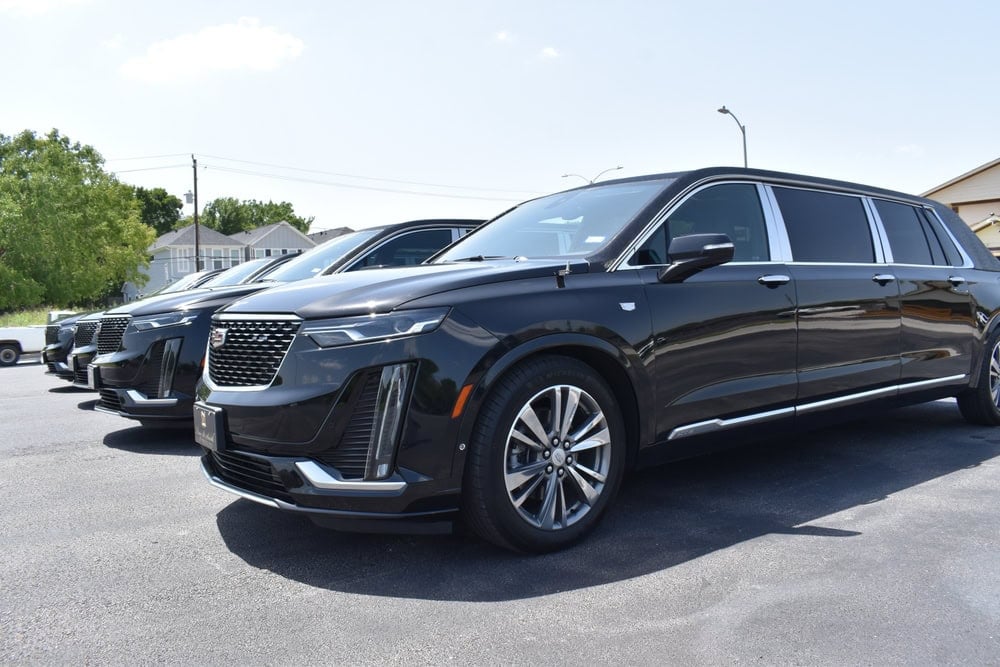
Fleet diversity solves this problem. Professional transportation services maintain sedans for individual executives, SUVs for small groups, stretch limousines for special occasions, and party buses for larger celebrations. Each vehicle type serves specific needs. Sedans offer privacy and efficiency for business travel. SUVs provide comfort for families or small groups with luggage. Limousines add elegance to weddings and formal events. Party buses handle larger groups who want the transportation to feel like part of the celebration.
Group size drives vehicle selection, but so does trip type. A 15-person group going to dinner needs different transportation than a 15-person group shuttling between hotel and convention center all day. The dinner group works perfectly in a party bus or large van—one trip, everyone together, part of the evening’s experience. The convention shuttle group needs flexibility for people coming and going at different times, which means multiple smaller vehicles or a shuttle running continuous loops.

Limousine transportation serves events where presentation matters as much as logistics. Weddings, milestone anniversaries, prom, VIP client entertainment—occasions where arriving in a standard sedan doesn’t match the moment. But limo service isn’t just about appearance. It’s about creating space for the experience to feel special.
Wedding transportation requires precision and flexibility in equal measure. The couple needs reliable transportation that keeps them on schedule without adding stress. Stretch limousines provide that—private space between ceremony and reception, climate-controlled comfort, professional chauffeurs who handle logistics so the couple can focus on their day. Wedding party transportation often combines limousines for the couple with SUVs or party buses for bridesmaids and groomsmen. Different vehicles, same coordinated timing.
Guest transportation for weddings solves a practical problem while enhancing the experience. Out-of-town guests don’t know Jacksonville. They don’t know which hotels are close to venues or how long drives actually take. Professional shuttle service between hotels and venues removes that stress. Guests board at designated times, arrive together, and don’t worry about parking, directions, or who’s driving home after the reception. The transportation becomes part of the hospitality, not just a logistical necessity.
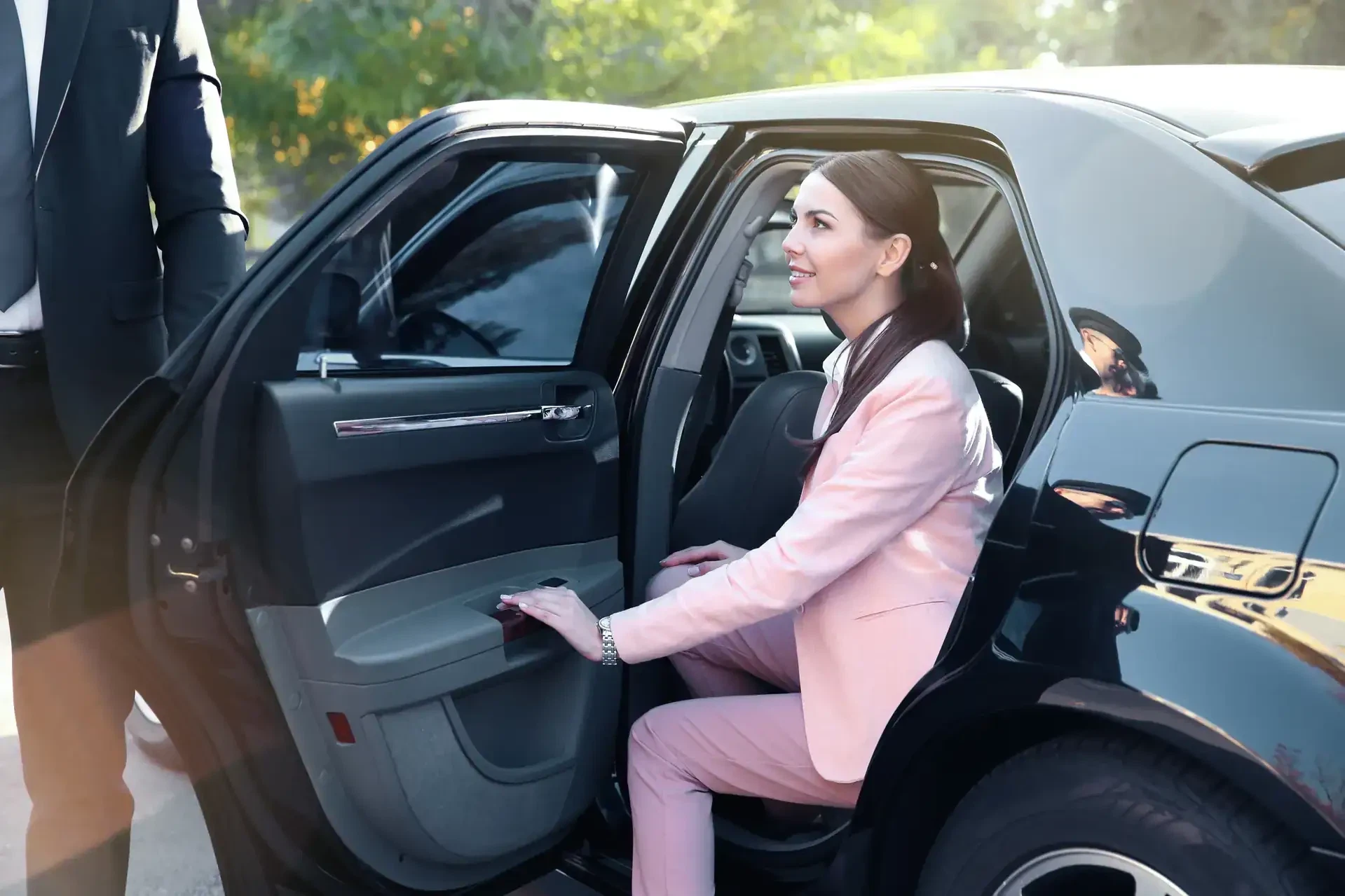
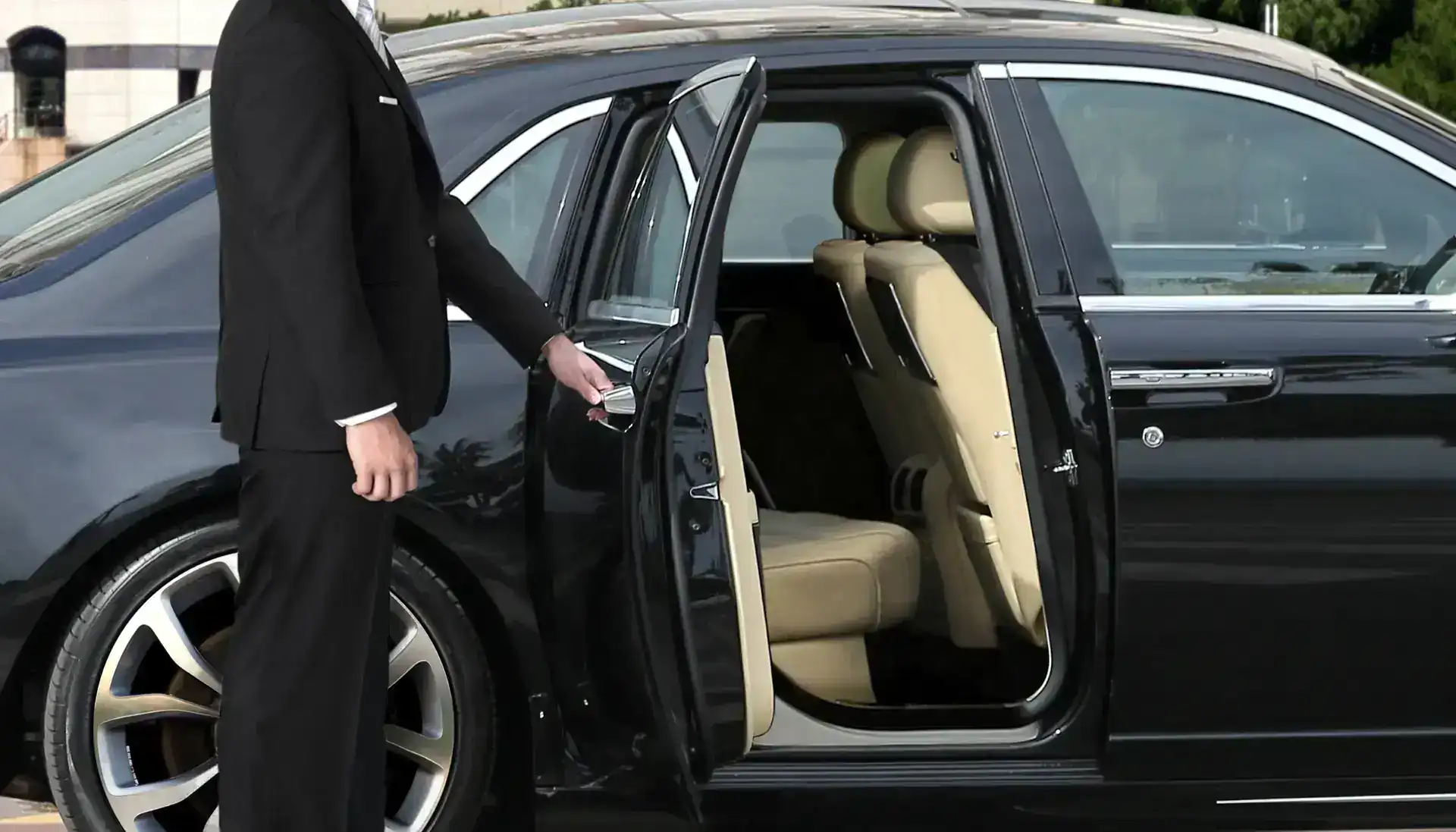
Corporate events use limousine service for VIP guests and executives who expect a certain level of service. Airport transfers in luxury sedans or limousines make the right impression for clients, board members, or keynote speakers. These aren’t just rides—they’re extensions of your company’s professionalism. The vehicle is clean, the driver is courteous, and the service reflects well on your organization. That matters when you’re trying to close deals or maintain relationships with high-value clients.
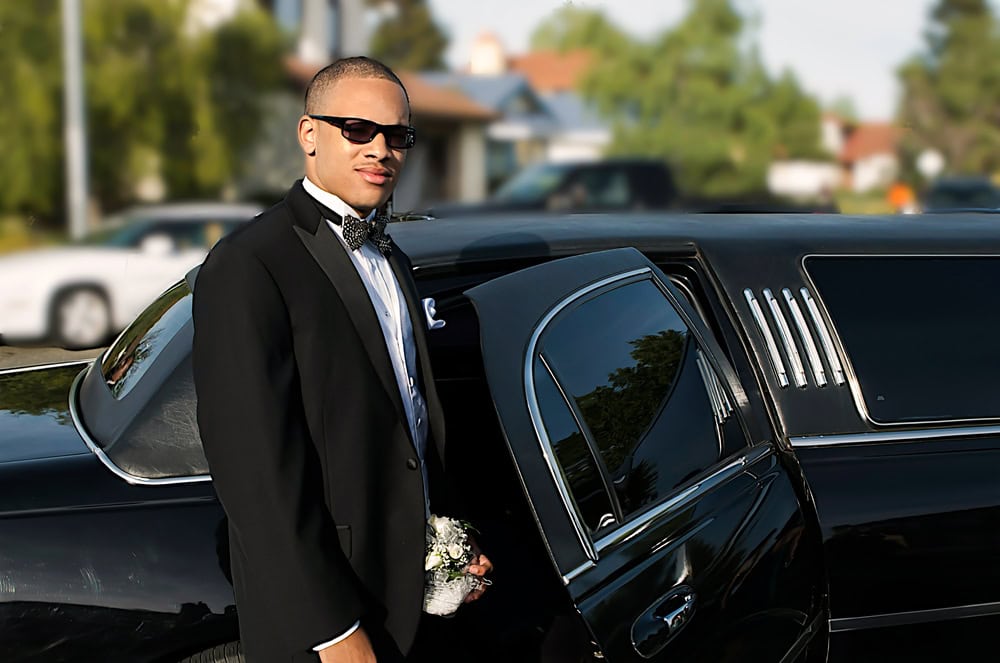
Prom and formal events represent a different category entirely. Parents want reliable, safe transportation. Students want an experience that feels special. Professional limo service delivers both—background-checked drivers, well-maintained vehicles, and the atmosphere that makes the night memorable. The key is matching vehicle type to group size. A couple or small group fits perfectly in a traditional stretch limousine. Larger friend groups work better in SUV limousines or party buses that accommodate everyone comfortably.
The common thread across all limo transportation is that the service matches the occasion. You’re not just moving people from point A to point B. You’re creating moments, maintaining professional images, and ensuring that transportation enhances the experience rather than detracting from it. That requires vehicles maintained to higher standards, drivers trained for client interaction, and coordination that accounts for timing precision. Professional limo services understand this. Rideshares and standard transportation don’t.
Jacksonville’s geography creates unique transportation challenges. The city sprawls across Duval County with neighborhoods that feel like separate towns. Riverside, San Marco, Jacksonville Beach, Southside, downtown—each area has its own character, traffic patterns, and access considerations. We know these areas. We know that getting from Ponte Vedra to downtown during rush hour requires different timing than the same trip midday. We know which venues have easy access and which require coordination with venue staff.
Major event venues each have their own logistics. The Prime Osborn Convention Center downtown handles large conferences with specific loading zone protocols and timing windows. VyStar Veterans Memorial Arena hosts concerts and sporting events with heavy traffic and limited parking—professional transportation drops guests close to entrances and handles pickup coordination after events end. Daily’s Place and EverBank Stadium serve major sporting events and festivals where parking is a nightmare and transportation becomes essential, not optional.
Wedding venues across Jacksonville range from historic mansions to waterfront locations to modern hotel ballrooms. The Lark, Bowing Oaks, Epping Forest Yacht & Country Club, The River Club—each venue has parking limitations, access requirements, and timing considerations that affect transportation planning. The Epping Forest estate, for example, has limited parking but beautiful grounds. Wedding transportation here isn’t optional—it’s how you get guests to the venue without creating parking chaos. We know these venues, have relationships with venue coordinators, and build transportation plans that work with venue requirements rather than against them.
Airport transportation represents its own category of local expertise. Jacksonville International Airport serves the region’s corporate and leisure travelers. We monitor flights in real-time, adjust pickup times for delays, know which terminals serve which airlines, and understand airport traffic patterns at different times of day. That local knowledge prevents the situation where your VIP guest lands, can’t find their driver, and starts the event frustrated before it even begins.
Traffic patterns in Jacksonville shift based on time, day, and season. Rush hour on I-95 affects timing for events downtown. Beach traffic on summer weekends impacts anything involving Jacksonville Beach or Ponte Vedra. Football season brings game-day traffic that affects the entire Southside area. We account for these patterns when building schedules. We’re not guessing at drive times—we’re using local knowledge to build realistic timelines that keep events on schedule.
The value of local expertise shows up in small details that prevent big problems. Knowing which hotel has the best loading area for large groups. Knowing which venue requires advance coordination for bus access. Knowing which routes avoid construction zones. Knowing who to call when something changes. This knowledge doesn’t come from GPS or online research. It comes from years of actually moving people around Jacksonville for events. That’s what separates professional local services from national companies that operate everywhere but know nowhere particularly well.
Event transportation stops being stressful when you treat it as a system rather than a series of individual rides. Professional coordination, appropriate vehicles, realistic timing, and local expertise combine to create transportation that works. Not perfect—events always include unexpected changes—but structured enough that changes don’t create chaos.
The planning process matters. Start early, map every movement, match vehicles to actual needs, build buffer time, and establish clear communication protocols. Those fundamentals prevent most transportation problems before they happen. The rest comes down to working with services that understand event logistics and have the fleet diversity to handle what you actually need.
If you’re planning an event in Jacksonville and want transportation handled by people who understand Duval County venues, traffic patterns, and what actually makes events run smoothly, we coordinate transportation that removes stress rather than adding it. Professional service that matches vehicles to needs, builds realistic schedules, and adjusts when plans change—because they always do.
Article details:
Share:
Continue learning: